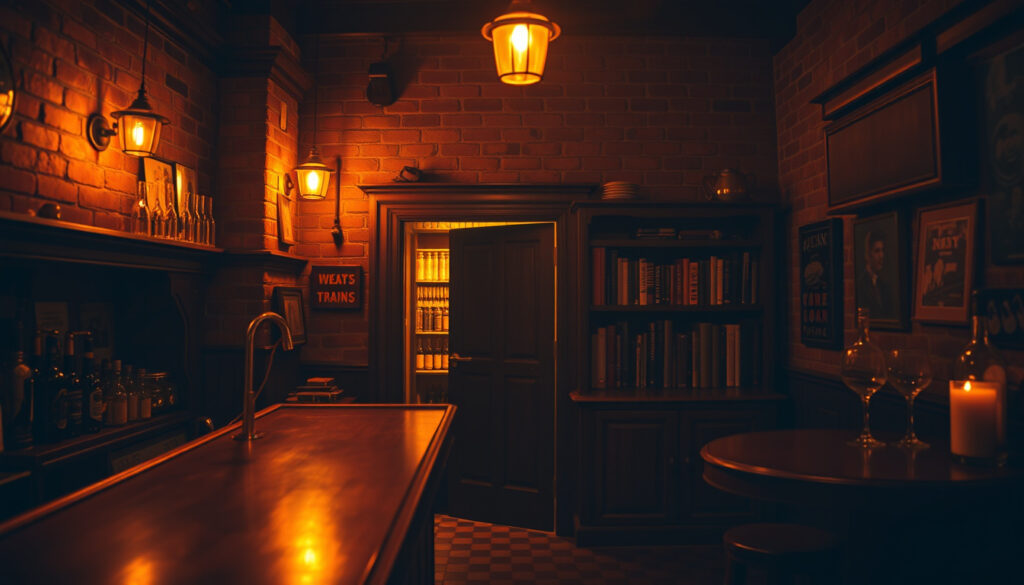
What Is a Speakeasy? History, Code, Modern Bars
You’ve probably walked past an unmarked door or heard a password whispered at a party. That’s the draw of a speakeasy – a bar designed to feel like a secret.
Prohibition period: 1920–1933 ·
Origin of term ‘speakeasy’: Late 19th century (c. 1880s) ·
Estimated NYC speakeasies at peak: 30,000–100,000
Quick snapshot
- Speakeasies were illegal establishments during Prohibition (Wikipedia (encyclopedia))
- The term “speakeasy” predates Prohibition, originating in the late 19th century (Wikipedia) (Wikipedia (encyclopedia))
- Exact number of speakeasies in New York City at peak (Deep Plate Blog (food service industry))
- Precise origin of the term “speakeasy” is disputed (Royal Caribbean (travel guide))
- 1920: Prohibition begins in the United States (Wikipedia)
- 1933: Prohibition repealed (Royal Caribbean)
- Modern speakeasies adopt reservation and password systems (Home Bars USA (home bar equipment retailer))
- Global trend expands beyond the U.S. (Royal Caribbean) (Home Bars USA (home bar equipment retailer))
Speakeasies have changed dramatically since the 1920s, but some core elements remain constant. Here’s a quick snapshot of their defining traits across eras.
| Attribute | Details |
|---|---|
| Full name | Speakeasy |
| Era | 1920-1933 Prohibition |
| Legal status then | Illegal |
| Legal status now | Legal but hidden-themed |
| Common features | Secret doors, passwords, vintage décor |
What Makes a Bar a Speakeasy?
Defining characteristics
- Speakeasies were originally illicit bars that operated secretly during Prohibition (Wikipedia).
- Modern speakeasies are legal bars with a retro theme, designed to mimic the hidden nature of their predecessors (Home Bars USA).
Secrecy and hidden entrances
- Historical speakeasies often used passwords, knocks, or handshakes to gain entry (Royal Caribbean).
- Today’s speakeasies continue the tradition with hidden doors behind bookshelves, phone booths, or unmarked facades.
The implication: The secrecy is no longer about avoiding the law but about creating a unique, memorable experience that justifies higher prices and draws a curious crowd.
For bar owners, the hidden entrance is a marketing tool: it turns a simple drink into an adventure. But it also creates a barrier that can exclude casual drinkers looking for a quick beer.
The pattern: Modern speakeasies balance exclusivity with accessibility to sustain their appeal.
Why Is It Called a Speakeasy?
Origin of the term
- The term “speakeasy” is thought to have originated in the late 19th century (c. 1880s) as a place where patrons were told to “speak easy” – quietly – to avoid drawing attention to illegal alcohol sales (Royal Caribbean).
- The earliest known use of the word in print dates to 1889, well before Prohibition, according to historical records (Wikipedia).
Alternative names: blind pig, blind tiger
- Speakeasies were also called “blind pigs” or “blind tigers,” especially in the Midwest, where the term referred to establishments that charged to see a non-existent attraction to bypass liquor laws (Wikipedia).
The pattern: Understanding the name reveals how creative people became to enjoy a drink during a time when alcohol was banned.
What Was the Most Famous Speakeasy?
The Cotton Club
- The Cotton Club in Harlem, New York, was one of the most famous speakeasies of the 1920s, known for its jazz performances by artists like Duke Ellington (Wikipedia).
- It operated as a nightclub that served alcohol illegally during Prohibition, catering to a white clientele while featuring Black entertainers.
The 21 Club
- The 21 Club (originally “21”) in New York City began as a speakeasy and later transitioned into a legitimate restaurant and bar after Prohibition ended (Royal Caribbean).
- It was known for its hidden wine cellar and a system of levers that could dump bottles into the sewer during raids.
The trade-off: Famous speakeasies like the Cotton Club and 21 Club became cultural icons precisely because they operated outside the law, but their legacy today is as much about entertainment as it is about rebellion.
Is There a Dress Code for a Speakeasy?
Common dress code elements
- Many modern speakeasies encourage vintage or upscale casual attire. For example, The Back Room in New York asks guests to avoid baseball hats and team jerseys, preferring an upscale or neat look (Irmas World (hospitality blog)).
- A common recommendation across venues is business casual, though some may require a jacket (Yelp user reviews).
Modern speakeasy attire
- Inspired by the Roaring Twenties, guests often wear flapper dresses, cloche hats, and pearl strands for women, and three-piece suits, fedoras, and suspenders for men (La Vie Delight (vintage fashion blog)).
- However, dress codes vary by venue; some let you in jeans, others enforce a strict vintage look.
The catch: While dress codes add atmosphere, they can also turn away spontaneous customers who don’t know the rules. Checking ahead is key.
If you show up in sportswear or flip-flops, you might be turned away at the door. The Back Room prohibits baseball hats and team jerseys – a policy that’s becoming standard in upscale speakeasies (Irmas World).
The implication: Checking a venue’s dress code beforehand avoids disappointment and ensures entry.
What Is a Modern-Day Speakeasy?
How modern speakeasies differ from original
- Modern speakeasies are legal venues that imitate the secrecy and ambiance of historic speakeasies, often serving craft cocktails at premium prices (Home Bars USA).
- Unlike the originals, they operate with the full blessing of authorities, but they maintain a sense of exclusivity through hidden entrances, passwords, and reservations.
- The modern revival is often credited to Milk & Honey, which opened in New York City in 1999 (Royal Caribbean).
Examples of contemporary speakeasies
- The Back Room in New York serves drinks in teacups as a nod to Prohibition-era concealment (Irmas World).
- Across the globe, from London to Tokyo, speakeasy-themed bars have popped up, each adding a local twist to the hidden-bar concept.
Why this matters: The modern speakeasy isn’t just a bar – it’s a curated experience that relies on nostalgia and exclusivity to attract patrons willing to pay a premium. For the bar industry, it’s a blueprint for differentiating in a crowded market.
A Brief Timeline of Speakeasies
- 1920: Prohibition begins in the United States after the 18th Amendment takes effect, banning the sale of alcohol (Wikipedia).
- 1920–1933: Speakeasies flourish as illicit bars, with thousands operating in New York City alone (Deep Plate Blog).
- 1933: Prohibition is repealed with the 21st Amendment, leading to the closure of most speakeasies (Royal Caribbean).
- Late 20th century: Interest in speakeasy-themed bars resurfaces, with early adopters like Milk & Honey (1999) leading the way.
- 2000s–present: The modern speakeasy trend grows globally, with new venues embracing password culture and vintage décor.
What this means: The timeline shows that the speakeasy is a recurring concept – each revival adapts the secrecy to fit contemporary tastes, from law evasion to lifestyle branding.
What We Know and What’s Still Unclear
Based on historical records, some facts are well-established, while others remain open to debate.
Confirmed facts
- Speakeasies were illegal establishments during Prohibition (Wikipedia).
- The term “speakeasy” predates Prohibition, originating in the late 19th century (Wikipedia).
What’s unclear
- The exact number of speakeasies in New York City at its peak is unknown, with estimates ranging from 30,000 to 100,000 (Deep Plate Blog).
- The precise origin of the term “speakeasy” is disputed – some trace it to Irish or English roots, but no single theory has been confirmed (Royal Caribbean).
“A speakeasy, also called a beer flat, blind pig, or blind tiger, was an illicit establishment that sold alcoholic beverages.”
“Historically, speakeasies were hidden, undercover or underground bars where patrons enjoyed alcohol illegally during the 1920s Prohibition era.”
The transition from illegal hideout to upscale destination shows how the speakeasy has evolved from necessity to nostalgia. For anyone planning a night out, the modern speakeasy offers a deliberately curated escape from the ordinary. For bar owners, the lesson is clear: embrace the secret, but don’t let the exclusivity alienate the curious first-timer.
tiktok.com, facebook.com, leftysonthesquare.com, reddit.com, yelp.com, ramcatcellars.com
For a deeper understanding of their origins, the history and culture of speakeasies details the fascinating history and culture of speakeasies.
Frequently asked questions
Is a speakeasy illegal?
No, modern speakeasies are completely legal. They are themed bars that mimic the hidden nature of Prohibition-era establishments. The original speakeasies were illegal because they sold alcohol during Prohibition (1920–1933) (Wikipedia).
What is a speakeasy vibe?
The vibe is intimate and secretive – dim lighting, vintage decor, jazz or swing music, and a sense of being in a hidden club. Modern speakeasies often require a password or reservation, adding to the exclusive atmosphere (Home Bars USA).
What is a speakeasy app?
A speakeasy app is a mobile application that helps users find hidden bars or secret drinking spots. Some apps list venues with passwords or entry instructions, though availability varies by city.
What is a speakeasy bar?
A speakeasy bar is a modern establishment that recreates the Prohibition-era experience – hidden entrances, craft cocktails, and vintage aesthetics. They are legal but often encourage dress codes and reservation policies (Royal Caribbean).
What to wear to a speakeasy?
Most speakeasies suggest business casual or vintage-inspired attire. For women, flapper dresses or elegant separates; for men, suits or smart-casual outfits. Avoid sportswear, baseball hats, and team jerseys. Check the venue’s policy in advance (Irmas World).
What is a speakeasy in 2026?
In 2026, the speakeasy concept continues to evolve as a high-end bar trend. Expect password reservations, custom cocktails, and themed interiors that blur the line between performance and dining. The focus remains on exclusivity and curated experiences.
More related posts
 Houston Rockets vs Golden State Warriors Timeline: Key Games
 How to Read Guitar Tabs: A Beginner’s Guide to Tablature
 Duplex for Sale Near Me: Buyer’s Guide & Trends 2026
 NBA Western Conference Standings – Final 2024-25 Records and Playoffs
 Necessary and Proper Clause: Definition, Examples, Key Case
 Good Morning Message for Her: Romantic, Flirty & Sweet
 Best Free Online Crossword Puzzles: Top Sites & Daily Puzzles
