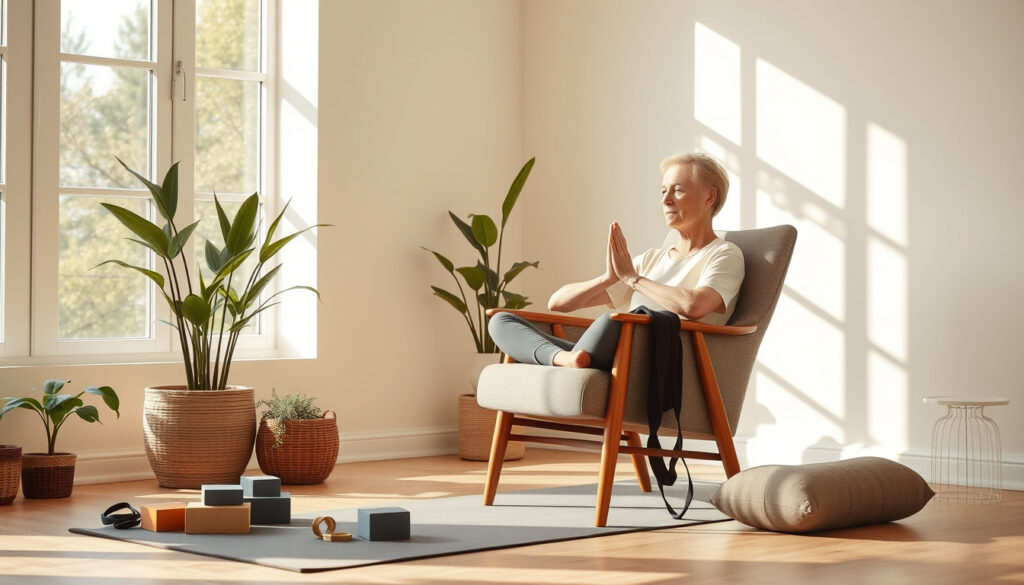
Chair Yoga for Seniors – Gentle Poses for Strength Flexibility
Chair yoga has emerged as a gentle yet effective practice designed specifically for older adults who want to experience the benefits of yoga without the challenges of floor-based poses. Using a sturdy chair for support, participants can perform a wide range of movements that improve flexibility, strength, and balance while remaining safely seated. This approach has gained significant attention from healthcare providers and wellness organizations as research continues to validate its positive effects on senior health.
For many seniors, traditional yoga can feel inaccessible due to mobility limitations, joint pain, or balance concerns. Chair yoga addresses these barriers by adapting classic poses to a seated position, making the practice available to nearly everyone regardless of physical condition. Studies have shown that regular participation can reduce joint pain, decrease the fear of falling, and enhance overall quality of life. The practice requires minimal equipment and can be adapted for various health conditions, from arthritis to chronic back pain.
This guide explores the essential aspects of chair yoga for seniors, including specific poses, recommended frequency, safety considerations, and practical resources to help readers begin their practice with confidence.
What Is Chair Yoga and Its Benefits for Seniors?
Chair yoga adapts traditional yoga poses for seated practice, allowing participants to experience the physical and mental benefits of yoga while maintaining stability and safety. The practice incorporates breathing exercises, gentle stretches, and strengthening movements that can be customized to individual ability levels. Originally developed in the 1980s to make yoga more accessible, chair yoga has since become a recognized form of therapeutic exercise for older adults.
Physical Health Benefits
Research demonstrates that chair yoga offers substantial physical benefits for seniors. The practice significantly improves balance, flexibility, and joint mobility, which collectively reduce the risk of falls—a major concern for older adults. A 2023 study of 85 Taiwanese women with knee osteoarthritis showed improved functional fitness after regular practice, while earlier research found that an 8-week program reduced joint pain lasting three or more months after the program concluded.
The gentle movements address chronic conditions common among seniors. For back pain management, seated poses strengthen the core and hips while stretching the legs and back, providing relief without the strain of floor exercises. The practice also builds muscular strength comparably to traditional training methods, improves posture, and enhances circulation—all without placing stress on the joints.
- Improves range of motion and joint mobility
- Reduces fall risk through enhanced stability
- Alleviates arthritis and joint pain symptoms
- Eases chronic low back pain discomfort
- Builds muscle strength effectively
- Supports better posture and circulation
- Decreases reliance on pain medication for some participants
A 2012 study involving 88-year-old participants found that chair yoga significantly reduced the fear of falling, which itself is a risk factor for actual falls. This psychological benefit complements the physical improvements seen in balance and mobility.
Mental and Emotional Well-Being
Beyond physical benefits, chair yoga promotes relaxation and mental clarity through focused breathing and mindful movement. The practice encourages present-moment awareness, which can reduce anxiety and support emotional resilience. Regular participants often report improved sleep quality and a greater sense of overall well-being that contributes to healthy aging.
| Condition | Observed Benefits | Supporting Evidence |
|---|---|---|
| Arthritis | Reduced joint pain, improved function | 2016 study, 8-week program |
| Knee Osteoarthritis | Better functional fitness | 2023 study, 85 participants |
| Chronic Back Pain | Eased discomfort, stronger core | Clinical observations |
| Fall Risk | Decreased fear, improved balance | 2012 study, 88-year-olds |
| General Mobility | Enhanced range of motion | Multiple sources |
| Mental Health | Reduced stress, better sleep | Participant reports |
Essential Chair Yoga Poses for Seniors
Chair yoga poses are designed to be accessible while still providing meaningful physical benefits. The following poses form the foundation of a beginner practice, targeting key areas such as the knees, hips, back, and core. Each pose can be modified to accommodate individual limitations, making the practice safe for seniors with various health conditions.
Seated Foundation Poses
The practice typically begins with simple seated movements that prepare the body for deeper work. Seated leg lifts engage the hip flexors and quadriceps while maintaining core stability. To perform this pose safely, seniors should position their chair near a wall or use armrests for additional support. The movement can be scaled by reducing the depth of the lift or pausing between repetitions to maintain control.
Gentle knee bends strengthen the muscles surrounding the knee joint while improving range of motion. Practitioners should move slowly and deliberately, focusing on building muscular control rather than achieving maximum range. For those with significant mobility limitations, even small movements can provide benefit when performed consistently.
Twists and Core Engagement
Chair twists target the spine, core muscles, and back, providing relief for those experiencing back discomfort. The key principle is to keep the range of motion shallow initially, avoiding any twisting that causes strain or discomfort. Practitioners should always move from the waist upward, maintaining alignment and breathing steadily throughout the movement.
For seniors over 70 or those with balance concerns, reduce the depth of each pose and move at a slower pace. Using armrests for stability during twists and stretches helps prevent strain while allowing focus on proper breathing and alignment.
| Pose | Primary Target | Recommended Modification |
|---|---|---|
| Seated leg lifts | Knees, hips | Use armrests, reduce lift depth |
| Gentle knee bends | Joint mobility | Slow pace, build control gradually |
| Chair twists | Back, core | Keep range shallow, avoid strain |
| Seated side stretches | Spine, obliques | Support with chair back |
| Ankle circles | Ankles, lower legs | Hold chair for stability |
| Shoulder rolls | Upper back, neck | Small movements, controlled pace |
Building a Complete Routine
A comprehensive chair yoga routine typically includes 10 to 15 different poses that work through the entire body. Many practitioners follow a structured 28-day challenge available online, which provides pictures and step-by-step instructions for progressive learning. These programs typically recommend practicing daily or two to three times per week for optimal results.
How Often and How Long Should Seniors Practice Chair Yoga?
Establishing a sustainable practice schedule is essential for achieving benefits from chair yoga. Research suggests that consistency matters more than intensity, and many seniors find success by starting with brief sessions and gradually extending duration as their comfort increases. The adaptive nature of chair yoga makes it suitable for daily practice, even on days when energy levels are lower.
Begin with 5-10 minute sessions, 2-3 times per week. Focus on learning basic poses and building comfort with the practice.
Progress to 15-minute sessions, 3-4 times weekly. Incorporate a wider variety of poses and longer holds.
Maintain 15-20 minute sessions most days of the week. Daily short sessions are particularly beneficial for managing chronic conditions.
Clinical research provides guidance on effective session lengths. An eight-week program involving twice-weekly 45-minute sessions demonstrated significant pain reduction in participants. For beginners, 15-minute classes offer an ideal starting point, providing enough time to work through multiple poses without causing fatigue. Those seeking gentle daily movement can break their practice into shorter segments throughout the day.
Establishing a Sustainable Routine
Building a lasting chair yoga habit requires practical strategies. Many seniors find that linking their practice to an existing daily routine—such as practicing first thing in the morning or after breakfast—helps maintain consistency. Creating a dedicated space with a suitable chair and adequate room for movement removes barriers to daily practice.
Is Chair Yoga Safe for Seniors with Arthritis or Back Pain?
Chair yoga is widely considered safe for seniors managing arthritis, back pain, and other chronic conditions. The practice minimizes injury risk by providing continuous support through the chair, eliminating the balance challenges associated with floor yoga. Studies have documented no adverse effects among senior participants, making it a low-risk intervention for those with physical limitations.
Considerations for Specific Conditions
Seniors with arthritis benefit from the gentle joint mobilization that chair yoga provides. The movements encourage synovial fluid circulation within the joints, which can reduce stiffness and improve function. A study conducted in Taiwan specifically examined women with knee osteoarthritis and found measurable improvements in functional fitness following regular practice.
For back pain management, the core-strengthening aspects of chair yoga address a common source of discomfort. Seated twists and gentle stretches release tension in the back muscles while building the strength needed to support the spine properly. However, participants with severe spinal conditions should consult a healthcare provider before beginning any new exercise program.
While chair yoga is generally safe, seniors with serious health conditions should consult a physical therapist or physician before starting. This is particularly important for those with severe osteoporosis, recent joint replacement surgery, or uncontrolled pain conditions. A healthcare professional can help personalize the practice to individual needs.
Modifications for Common Limitations
The adaptability of chair yoga allows for numerous modifications to accommodate specific health concerns. Reducing pose depth, slowing movements, and utilizing armrests for stability all help create a safe practice environment. For balance challenges, chair-supported standing progressions offer a bridge between seated work and unsupported movement, building confidence gradually.
Those with limited mobility can benefit from focusing solely on upper body movements, seated breathing exercises, or gentle stretches that require minimal range of motion. The key principle is that any movement performed within a comfortable range provides benefit, and pushing through pain is never necessary or advisable.
Getting Started: Equipment and Beginner Tips for Chair Yoga
One of the most appealing aspects of chair yoga is its minimal equipment requirements. A sturdy chair with a flat seat and stable legs forms the foundation of the practice. Chairs with armrests offer additional support options, making them particularly suitable for beginners or those with balance concerns. The chair should be positioned against a wall or other stable surface to prevent sliding during movements.
Choosing the Right Chair
The ideal chair for yoga practice has a firm, flat seat that allows both feet to rest flat on the floor. Backrests should provide support without restricting movement, and the chair height should allow thighs to remain parallel to the ground. Avoid chairs with wheels, cushions that shift, or arms that interfere with natural arm positioning during stretches.
Select a sturdy chair with a flat seat, stable legs, and optional armrests for support. Ensure the chair is positioned safely against a wall or other immovable surface. Wear comfortable, non-restrictive clothing that allows free movement. No additional equipment is necessary to begin a chair yoga practice.
Free Resources for Learning
Numerous free video resources help seniors learn chair yoga at their own pace. “Gentle Chair Yoga for Back Pain Relief” offers an introduction specifically designed for seniors and beginners, focusing on seated poses that support spine health and mobility. Another popular option, “Chair Yoga for Seniors, Beginners”, demonstrates 10 moves that can be incorporated into daily routines for improved flexibility and mobility.
Those seeking a complete practice may benefit from the “15 min Chair Yoga Class”, which provides a full-body session suitable for all levels. Free printable resources, including illustrated sequences for low back pain relief, complement these video offerings and provide reference material for home practice.
Tips for Successful Practice
Beginning a new exercise routine requires patience and realistic expectations. Seniors new to yoga should focus on learning proper breathing techniques before worrying about achieving full range of motion in poses. Listening to the body’s signals—distinguishing between productive stretch and painful strain—helps prevent injury while still providing benefit.
Many find that practicing at the same time each day helps establish consistency. Morning sessions can energize the body for the day ahead, while evening practice may promote better sleep. Regardless of timing, the most important factor is finding a schedule that can be maintained over time.
What the Research Says About Chair Yoga
Scientific investigation into chair yoga has grown substantially over the past decade, providing evidence-based support for its use in senior wellness programs. Researchers have examined the practice’s effects on conditions ranging from osteoarthritis to fall prevention, with findings generally supporting its benefits while noting the need for additional large-scale studies.
What We Know
- Reduces joint pain associated with arthritis
- Improves balance and reduces fall risk
- Decreases fear of falling in elderly populations
- Supports improved functional fitness
- Safe with minimal adverse effects reported
- Effective for chronic back pain management
- Beneficial for mental well-being and relaxation
Areas Needing More Research
- Optimal frequency and duration for specific conditions
- Long-term outcomes beyond 8-12 weeks
- Effects on bone density and osteoporosis
- Comparative effectiveness versus other exercise modalities
- Impact on cognitive function
- Benefits for specific age subgroups within senior populations
The existing research base, while promising, largely consists of studies with relatively small sample sizes. Researchers have called for larger clinical trials to better understand the full scope of chair yoga’s benefits, particularly regarding falls prevention. Nevertheless, the consistent finding of low risk combined with positive outcomes makes chair yoga a reasonable option for most seniors seeking gentle exercise.
Finding Quality Chair Yoga Programs
Seniors interested in structured chair yoga programs have several options for finding quality instruction. Community centers, senior living facilities, and healthcare organizations increasingly offer chair yoga classes as part of their wellness programming. These in-person options provide the benefit of instructor guidance and community connection, though they may require transportation and scheduling commitments.
Online resources offer flexibility and accessibility for those preferring to practice at home. Reputable health websites, senior-focused fitness platforms, and established yoga studios often provide free or low-cost video instruction. When selecting online programs, look for instructors with credentials in senior fitness or therapeutic yoga, and choose videos specifically designed for older adults rather than generic chair yoga content.
Conclusion
Chair yoga represents a valuable approach to senior fitness that addresses the unique needs and limitations of older adults. Its evidence-based benefits include improved balance, reduced joint pain, enhanced flexibility, and better mental well-being—all delivered through a safe, accessible format that requires minimal equipment. Whether managing chronic conditions like arthritis or simply seeking to maintain mobility and independence, seniors can incorporate chair yoga into their lives with confidence.
Starting with brief, consistent sessions and gradually building duration provides the foundation for a sustainable practice. Free resources including videos, printable guides, and structured challenges make beginning accessible to everyone. As with any exercise program, consulting healthcare providers ensures that chair yoga complements rather than conflicts with individual health needs. For those ready to begin, the practice offers a pathway to greater comfort, stability, and quality of life in the senior years.
For related household skills and self-sufficient living, readers may find our guide to making sourdough bread and our article on opening cans without a can opener helpful.
Frequently Asked Questions
Can chair yoga help with arthritis?
Research indicates that chair yoga can reduce joint pain and improve function in people with arthritis. A 2023 study of women with knee osteoarthritis showed improved fitness, and earlier research found that regular practice reduced joint pain lasting months after the program ended.
Are there free chair yoga videos for seniors?
Yes, numerous free videos are available on platforms like YouTube. Options include “Gentle Chair Yoga for Back Pain Relief,” “Chair Yoga for Seniors, Beginners,” and “15 min Chair Yoga Class,” all designed specifically for older adults and beginners.
How often should seniors practice chair yoga?
Beginners can start with two to three sessions per week, with each session lasting 10-15 minutes. As comfort increases, practitioners can progress to daily short sessions or longer routines several times per week.
What equipment is needed for chair yoga?
A sturdy chair with a flat seat and stable legs is the only essential equipment. Chairs with armrests provide additional support options. The chair should be positioned safely, ideally against a wall to prevent sliding.
Is chair yoga safe for seniors with back pain?
Chair yoga is generally safe and beneficial for back pain. Gentle poses strengthen the core and hips while stretching the back, providing relief without the strain of floor exercises. Those with severe spinal conditions should consult a physician first.
How long should a chair yoga session be for beginners?
Beginners should start with 10-15 minute sessions. Research shows that 15-minute beginner classes provide meaningful benefits without causing fatigue, making them ideal for establishing a sustainable practice.
Can chair yoga reduce the fear of falling?
Yes, studies show that regular chair yoga practice can significantly reduce the fear of falling in seniors. A 2012 study with 88-year-old participants found measurable reductions in fall-related anxiety, which itself is a risk factor for actual falls.
Are there modifications for seniors over 70?
Modifications include reducing pose depth, moving at a slower pace, using armrests for stability, and focusing on upper body movements when needed. Any movement within a comfortable range provides benefit without requiring maximum flexibility.
More related posts
 M&T Bank: What It Stands For, Is It a Big Bank, and More
 R6 Tracker Guide: Safety, KD, and Top Players
 How Tall is Ariana Grande? Height, Weight, and Comparisons
 Paramount Plus on Roku: Activate, Cost, Cancel & Fix Issues
 Best Internet Providers Near Me in Ireland: Compare 2025
 Alabama Crimson Tide Football: Nickname, Playoffs & Rivalry
 Retail Stores Closing September 2025: Full List & Reasons
 Austin Butler Movies and TV Shows: Full Filmography & Biography
