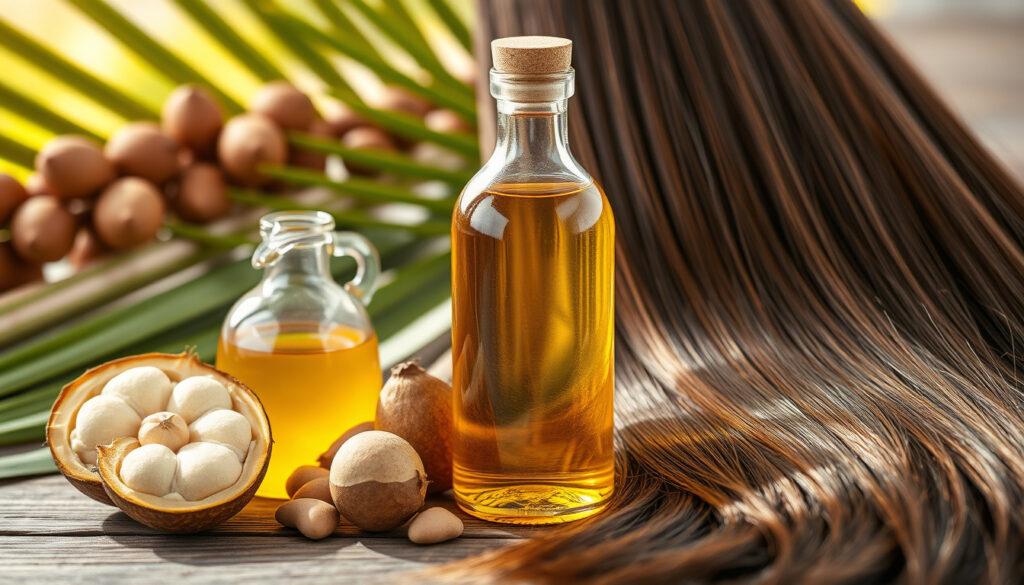
Batana Oil for Hair: Does It Promote Growth?
Batana oil has built a devoted following for its proposed hair benefits, but medical publications offer a different view. Healthline notes no evidence exists that batana oil can regrow hair or prevent further loss, and the Wimpole Clinic reports no clinical studies have specifically examined its effects on growth. This guide examines what the research actually shows.
Origin: Honduras rainforests · Key Component: Linoleic acid · Primary Claim: Strengthens hair and nourishes scalp · Antioxidant Rich: Yes · Evidence for Regrowth: Protects from breakage
Quick snapshot
- Rich in linoleic acid, vitamin E, and essential fatty acids (Women’s Health Magazine UK)
- Improves hair shine and softness through deep moisturization (AWO)
- Generally well-tolerated with uncommon scalp irritation or allergic reactions (Prevention)
- Whether batana oil can directly stimulate new hair growth remains unproven (Wimpole Clinic)
- No comparative studies exist between batana oil and other popular hair oils (Wimpole Clinic)
- Long-term safety data beyond anecdotal reports are lacking (Wimpole Clinic)
- Social media influencers have promoted batana oil for hair growth benefits in recent years (Wimpole Clinic)
- Some users report improvements within weeks; significant results may take several months of consistent use (Women’s Health Magazine UK)
- Experts recommend applying batana oil two to three times per week (Women’s Health Magazine UK)
- Alternative oils such as rosemary oil and pumpkin seed oil have more research backing for hair regrowth (Healthline)
Here is how batana oil’s key properties compare to marketing claims.
| Property | Detail |
|---|---|
| Extracted From | Elaeis oleifera plant (American palm tree fruit pulp) |
| Form | 100% pure unprocessed oil |
| Primary Mechanism | Moisturization and breakage reduction, not direct growth stimulation |
| Key Active Compounds | Vitamin E, essential fatty acids, tocotrienols |
| Clinical Evidence for Hair Regrowth | None documented |
| Recommended Application | 2-3 drops or 1 teaspoon depending on method |
Does Batana oil actually regrow hair?
The most direct answer from medical sources is no. According to the Wimpole Clinic, no specific clinical studies have been conducted on batana oil’s direct effects on hair growth. There is also no evidence that batana oil is effective against alopecia or male pattern baldness.
Healthline reinforces this point, stating there is no evidence that batana oil can help regrow hair or prevent further hair loss. This contrasts with rosemary oil and pumpkin seed oil, both of which have some research backing for hair regrowth when applied regularly.
Evidence from WebMD
Medical reviewers note that batana oil can protect hair from breaking, which gives the impression of fuller, faster growth. However, this cosmetic improvement differs from actual hair regrowth stimulation, according to analysis reviewed by major health publications.
Healthline analysis
The distinction matters: preventing breakage helps existing hair appear thicker and healthier, but it does not create new hair follicles. Prevention reports that batana oil may help with length retention through reduction in breakage rather than direct hair growth stimulation.
The implication: consumers paying premium prices for hair regrowth benefits may be disappointed. The product works differently than its marketing suggests.
Batana oil can protect hair from breaking and improve the appearance of density, but this is fundamentally different from stimulating new growth. Buyers expecting actual regrowth from a TikTok-trending oil may be spending money on a moisturizing product with a marketing problem.
What are Batana oil side effects?
The Wimpole Clinic notes that no studies have reported any side effects from using batana oil for hair. The oil is generally considered well-tolerated with uncommon scalp irritation or allergic reactions, according to Prevention.
Potential disadvantages
However, allergic reactions can manifest with redness, swelling, and irritation on the skin, particularly in those with known sensitivity to palm oil, reports the Wimpole Clinic. A patch test is recommended before applying batana oil to the scalp.
Women’s Health Magazine UK cautions that overuse of batana oil may lead to buildup, especially for those with fine or oily hair.
Safety for scalp
Batana oil is generally considered safe for external use during pregnancy, but consultation with a doctor is recommended, according to Women’s Health Magazine UK. The AWO notes batana oil is relatively lightweight and does not typically weigh hair down when used in moderation.
The pattern: batana oil presents minimal documented risk for most users, but a patch test before first use and caution with frequency for fine or oily hair types are reasonable precautions.
The evidence for batana oil’s hair benefits remains observational. Users should weigh its cosmetic advantages against the absence of clinical proof for regrowth claims.
What happens if I use Batana oil every day?
Most experts recommend applying batana oil two to three times per week, according to Women’s Health Magazine UK. Daily use is not necessarily harmful, but it may lead to buildup that weighs hair down, particularly for those with fine or oily textures.
Daily application effects
The oil can be used as a pre-shampoo treatment, leave-in conditioner, or styling oil, according to Women’s Health Magazine UK. Vitamin A in batana oil helps regulate sebum production on the scalp, and regulated sebum acts as lubrication for hair follicles, preventing dryness, itchiness, and inflammation associated with hair loss.
Some users report noticing improvements in hair health and thickness within a few weeks of consistent use, with significant results potentially taking several months, reports Women’s Health Magazine UK.
Risks of overuse
AWO notes batana oil can repair damage from heat, chemical treatments, and sun exposure, but the key variable is moderation. Overapplication can cause product buildup rather than enhanced benefits.
What this means: for users with thicker or dryer hair textures, daily use as a finisher may work well. For those with fine or oily hair, limiting application to two to three times per week is the safer approach.
The recommended approach is two to three times per week, massaging 2-3 drops into the scalp for three minutes before pulling the remaining oil through to the ends. Overnight leave-in use is an option, but those with fine hair should watch for buildup.
Can I use Batana oil on my hair every day?
Yes, but with caveats. Daily application is generally safe for most hair types, though the risk of buildup increases significantly for fine or oily hair. Those with thicker, drier textures may benefit from daily use as a finisher, while others may find two to three applications per week sufficient.
What are the disadvantages of Batana oil?
The primary disadvantage is the gap between marketing claims and clinical evidence. Batana oil lacks documented efficacy for hair regrowth, and premium pricing may not match its cosmetic-only benefits. Additionally, users with palm oil sensitivity must perform a patch test, and overuse can lead to product buildup that weighs hair down.
What are the benefits of Batana oil for hair?
Women’s Health Magazine UK reports batana oil contains high levels of vitamin E and essential fatty acids. AWO notes the oil contains tocotrienols which show promise for encouraging thicker, healthier hair when used regularly over several months, though this remains at the observational rather than clinical level.
Hair strengthening
AWO reports batana oil may help reduce hair breakage and thinning by replenishing lost nutrients. The Prevention notes vitamin E in batana oil may help protect skin and hair from sun damage as a powerful antioxidant.
Scalp nourishment
Women’s Health Magazine UK emphasizes batana oil stands out among hair oils for its unique fatty acid profile and vitamin E content. AWO confirms the oil can improve hair shine and softness through deep moisturization. For those interested in learning more about batana oil’s benefits for hair, a Helsinki-Vantaa hotelli is available.
The trade-off: the benefits are real but primarily cosmetic. Batana oil strengthens, conditions, and protects existing hair rather than creating new growth.
How to use Batana oil for hair?
SugarbearPRO hair care experts outline a recommended 3-step routine: apply 2-3 drops to the scalp, massage for 3 minutes, and pull the remaining oil through to the ends. Most experts recommend this process two to three times per week rather than daily.
Application steps
For targeted scalp treatment, warm a small amount between palms and apply directly to the scalp using fingertips. Massage in circular motions for approximately 3 minutes to encourage blood flow. Women’s Health Magazine UK notes the oil can be left in overnight or used as a daily finisher, depending on hair type and preference.
Frequency recommendations
Women’s Health Magazine UK confirms batana oil can be used as a pre-shampoo treatment, leave-in conditioner, or styling oil. The versatility means users can adjust their approach based on their hair goals and texture.
For users seeking hair appearance improvements: consistency matters. Results typically appear within a few weeks for condition improvements, but the timeline for noticeable changes in hair density may take several months of faithful application.
Upsides
- Rich in vitamin E, essential fatty acids, and tocotrienols
- Improves shine and softness through deep moisturization
- Helps protect hair from heat, chemical, and sun damage
- Generally well-tolerated with minimal documented side effects
- Versatile application: pre-shampoo, leave-in, or styling use
Downsides
- No clinical evidence for direct hair regrowth stimulation
- No evidence for efficacy against alopecia or male pattern baldness
- Daily overuse may cause buildup, especially in fine or oily hair
- Patch test required for those with palm oil sensitivity
- Premium pricing may not match cosmetic-only benefits
How does Batana oil compare to alternatives?
The comparison with other hair oils reveals a notable gap. Women’s Health Magazine UK notes rosemary oil has research backing for stimulating hair growth, unlike batana oil. Healthline confirms rosemary oil and pumpkin seed oil have some evidence that they might help restore hair growth when applied regularly.
What separates these alternatives: they have undergone clinical study for hair regrowth specifically. Batana oil has documented benefits for condition, shine, and breakage prevention, but the regrowth claims rest on user reports rather than controlled research.
The implication: consumers prioritizing evidence-backed hair regrowth may find rosemary oil a better-supported choice. Those seeking deep conditioning and breakage reduction for their existing hair may find batana oil delivers on its moisturizing promises.
Batana oil can protect hair from breaking, giving the impression of fuller, faster growth. However, this cosmetic improvement differs from actual regrowth stimulation.
— WebMD health content review
There is no evidence that batana oil can help regrow hair or prevent further hair loss.
— Healthline medical editorial review
For those seeking actual regrowth rather than appearance improvement, the evidence points toward alternatives: rosemary oil and pumpkin seed oil have research backing that batana oil lacks. For those satisfied with strengthening and conditioning their existing hair, batana oil may deliver on its moisturizing claims. The choice depends on which outcome matters more to you.
Related reading: Short Hair Styles for Women
While batana oil promises growth with scant evidence, a French batana oil analysis underscores its proven moisturizing and strengthening effects on hair shafts.
Frequently asked questions
Is batana oil safe for colored hair?
Batana oil is generally considered safe for colored hair. It can help condition and protect hair that has been chemically processed, including color treatments. However, those with recently colored hair should perform a patch test first to ensure no adverse reactions with their specific dye formula.
How long to see results from batana oil?
Some users report improvements in hair health and thickness within a few weeks of consistent use. Significant results may take several months of regular application. The key variable is consistency, not quantity.
Can batana oil be used on beard?
Batana oil can be applied to facial hair and the skin beneath it. The same principles apply: a small amount massaged into the beard and skin two to three times per week may improve condition and reduce itching or dryness.
What makes batana oil different from other oils?
Batana oil stands out for its unique fatty acid profile and vitamin E content, derived from American palm tree fruit pulp. However, unlike rosemary oil and pumpkin seed oil, it lacks clinical evidence for hair regrowth stimulation.
Is batana oil suitable for all hair types?
Batana oil works across most hair types, but those with fine or oily hair should use it sparingly to avoid buildup. Thicker, drier textures typically benefit from more generous application.
Where is original batana oil from?
Batana oil is extracted from the American palm tree, specifically the Elaeis oleifera species. The oil is derived from the fruit pulp of these trees, which grow naturally in Central and South American regions.
Does batana oil clog pores?
Batana oil is relatively lightweight, but overuse can lead to buildup on the scalp. Those prone to scalp congestion should start with a small amount and monitor for any issues before regular use.
More related posts
 Smoky Mountain National Park: Best Time, Location & Tips
 Can Dogs Have Potatoes? Safe Preparation, Risks & Feeding Tips
 Delicious in Dungeon Season 2 Release Date: Confirmed News
 How Old Is Lionel Richie – Age, Birthday, Height & Bio
 Where is Bora Bora? Location, Country, and Travel Guide
 Can Dogs Eat Nuts – Safe Vs Toxic Varieties Guide
 Top 25 College Basketball – Final AP Rankings 2025-26
 When Is Charlie Kirk’s Funeral – Memorial Date and Details Confirmed
