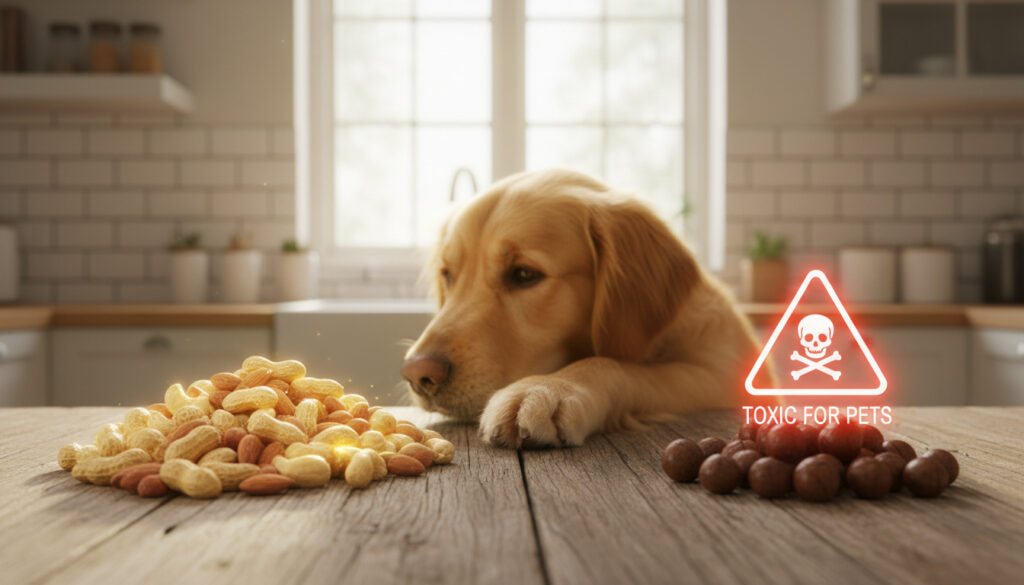
Can Dogs Eat Nuts – Safe Vs Toxic Varieties Guide
Dogs can consume certain nuts as an occasional treat, but the category encompasses both relatively safe options and highly toxic varieties that demand immediate veterinary intervention. The safety profile depends entirely on the specific nut type, preparation method, and quantity ingested. Pet owners must distinguish between legumes like peanuts and true tree nuts, as each carries distinct physiological risks for canines.
Veterinary toxicologists have identified macadamia nuts and black walnuts as outright poisonous to dogs, while other varieties present physical hazards rather than chemical toxicity. High fat content across most nuts creates additional health complications, including pancreatitis and obesity. Understanding these distinctions prevents emergency room visits and chronic health conditions.
Before offering any nut to a pet, owners should verify the specific type, remove all shells, and ensure the nuts carry no salt, seasonings, or mold. Even safe varieties require strict moderation due to caloric density and choking risks.
Can Dogs Eat Nuts?
- Macadamia nuts represent the most severe toxicity risk, with symptoms appearing within 12 hours of ingestion.
- Peanuts and cashews provide the safest options when unsalted and fed in minimal quantities.
- Mold growth on any nut variety produces mycotoxins capable of causing neurological damage or death.
- High fat content across all nuts creates pancreatitis risk, regardless of toxicity status.
- Dogs cannot chew nuts effectively, creating choking hazards and intestinal blockage risks.
- Salted varieties contribute to water retention and cardiovascular complications.
- Nut allergies, though less common than in humans, can trigger severe reactions in sensitive dogs.
| Nut | Toxicity Level | Primary Symptoms | Required Veterinary Action |
|---|---|---|---|
| Macadamia Nuts | Severe | Vomiting, tremors, hyperthermia, weakness | Immediate emergency care |
| Black Walnuts | Severe | Seizures, muscle tremors, high temperature | Immediate emergency care |
| Peanuts | None (if plain) | Possible allergic reaction, choking | Monitor, visit if distress |
| Cashews | None (if plain) | Gastrointestinal upset if overfed | Monitor, visit if large quantity |
| Almonds | Low (physical risk) | Choking, intestinal blockage | Visit if breathing difficulty |
| English Walnuts | Low (physical risk) | Choking, blockage, pancreatitis | Visit if large quantity |
| Pecans | Moderate (mold risk) | Tremors, seizures if moldy | Immediate if mold exposure suspected |
| Pistachios | Moderate (fat/shell) | Pancreatitis, choking | Visit if shell ingested |
Which Nuts Are Safe for Dogs?
Only two varieties receive consistent veterinary approval for canine consumption: peanuts and cashews. Even these require strict preparation standards and portion control to prevent gastrointestinal distress and nutritional imbalances.
Peanuts for Dogs
Peanuts, technically legumes rather than true nuts, provide the safest snacking option when served completely plain and unsalted. The American Kennel Club emphasizes that peanuts retain high fat content despite their relative safety, necessitating limitation to occasional treats rather than regular dietary supplements.
Owners must remove all shells before offering peanuts, as the fibrous material creates obstruction risks in the digestive tract. Additionally, many commercial peanut products contain xylitol or other sweeteners lethal to dogs, making raw, unseasoned nuts the only acceptable choice.
Cashews in Moderation
Cashews share similar safety parameters with peanuts, presenting no inherent toxicity but significant caloric density. Purina’s veterinary nutritionists recommend offering only one or two unsalted cashews occasionally, ensuring the nuts contain no roasted seasonings or oils that exacerbate pancreatic stress.
Always remove outer shells, verify freshness to prevent mold contamination, and serve nuts at room temperature. Never offer flavored, salted, or candied varieties, as sodium and artificial sweeteners compound health risks beyond the nut’s natural fat content.
For comprehensive guidance on identifying safe varieties, consult the Can Dogs Eat Nuts – Vet Guide to Safe and Toxic Varieties.
Which Nuts Are Toxic to Dogs?
Certain nuts trigger immediate toxic reactions requiring emergency intervention, while others present chronic health hazards through mold susceptibility or physical obstruction risks. Understanding these distinctions enables rapid response to accidental ingestion.
Macadamia Nuts Dangers
Macadamia nuts represent the most dangerous nut for canine consumption, capable of inducing severe illness from minimal quantities. Veterinary toxicologists have documented reactions including vomiting, loss of coordination, hyperthermia, weakness, and tremors typically manifesting within 12 hours.
Researchers have not yet isolated the specific toxic mechanism within macadamia nuts, but the clinical presentation warrants immediate veterinary attention regardless of the quantity consumed. Even a few nuts can produce debilitating symptoms lasting 24 to 48 hours.
If your dog ingests macadamia nuts, contact your veterinarian immediately. Do not wait for symptom onset, as early intervention improves recovery outcomes.
Walnuts and Mold Risks
Black walnuts carry confirmed toxicity distinct from their English walnut cousins, causing vomiting, muscle weakness, tremors, elevated body temperature, and seizures. PetMD distinguishes between the varieties, noting that while English walnuts prove non-toxic chemically, their large size and high fat content create independent hazards.
All walnut varieties exhibit particular susceptibility to mold colonization during storage. Mycotoxins produced by these molds trigger neurological symptoms and potentially fatal toxicity regardless of the walnut type originally consumed.
Any nut showing discoloration, softening, or stale odor may harbor aflatoxins or other mycotoxins. These substances cause seizures and neurological damage even in nuts normally considered non-toxic.
Almonds and Choking
While almonds lack the chemical toxicity of macadamias or black walnuts, their shape and hardness create significant choking hazards. Preventive Vet notes that dogs cannot effectively grind almonds with their teeth, leading to potential esophageal or intestinal obstruction requiring surgical removal.
What Happens If a Dog Eats Nuts?
The physiological response to nut consumption varies dramatically based on the specific variety, quantity, and individual canine sensitivity. Owners must recognize symptom patterns indicating toxicity versus simple dietary indiscretion.
Symptoms of Nut Toxicity
Macadamia and black walnut poisoning present distinct symptom clusters typically developing within 12 hours. Emergency veterinary specialists identify vomiting, diarrhea, loss of coordination, weakness, and tremors as primary indicators. Hyperthermia manifests elevated body temperature requiring immediate cooling intervention.
Non-toxic nuts produce different symptomology centered on gastrointestinal distress. Pancreatitis from high fat content causes persistent vomiting, abdominal pain, and diarrhea. Physical obstruction from undigested nut pieces creates acute distress, drooling, and inability to defecate.
When to See a Vet
Immediate veterinary consultation remains mandatory following consumption of macadamia nuts or black walnuts regardless of observed symptoms. The American Kennel Club emphasizes that large quantities of any nut variety, including non-toxic peanuts or cashews, warrant professional evaluation due to pancreatitis and obstruction risks.
Dogs with pre-existing nut allergies require emergency transport following any accidental ingestion. Symptomatic monitoring should continue for 72 hours following mold exposure, as mycotoxin effects may delay onset.
How Has Veterinary Knowledge About Nut Toxicity Evolved?
- : Veterinary toxicologists definitively identified macadamia nut poisoning in dogs, establishing the first clear prohibition against specific nut varieties.
- : Research documented mycotoxin risks in stored walnuts and pecans, expanding concern beyond inherent nut toxicity to secondary mold contamination.
- : Social media documentation of emergency cases raised public awareness regarding portion control and preparation safety, though misinformation about “healthy” nuts persisted.
What Is Definitively Known Versus Uncertain About Nuts and Dogs?
| Established Facts | Remaining Uncertainties |
|---|---|
| Macadamia nuts cause specific toxicity syndrome in dogs (vomiting, tremors, hyperthermia) | The exact biochemical mechanism of macadamia toxicity remains unidentified by researchers |
| Black walnuts trigger seizures and neurological symptoms distinct from other varieties | Safe quantity thresholds for non-toxic nuts in large versus small breeds lack clinical study |
| High fat content causes pancreatitis across all nut types | Long-term effects of occasional small doses of non-toxic nuts on canine cardiovascular health |
| Mold produces mycotoxins lethal to dogs regardless of base nut safety | Breed-specific genetic predispositions to nut allergies or sensitivities |
| Dogs cannot safely chew nuts due to dental and esophageal anatomy | Minimum toxic doses for macadamia nuts based on canine weight classes |
Why Do Nuts Pose Unique Risks to Canine Physiology?
Canine digestive systems evolved for protein-based diets rather than the high-fat, dense caloric profile characteristic of nuts. The pancreas responds to excessive fat intake with inflammation, creating painful pancreatitis episodes that may become chronic with repeated exposure.
Unlike humans, dogs lack the jaw structure and chewing behavior necessary to pulverize hard nut matter. Swallowed whole or partially cracked nuts lodge in esophageal passages or intestinal tracts, requiring endoscopic or surgical removal. This physical risk compounds the chemical dangers present in toxic varieties.
The storage characteristics of nuts create additional hazards. Their high oil content facilitates rapid mold growth when exposed to humidity, producing toxins invisible to casual inspection. These mycotoxins attack neurological tissue regardless of the nut’s inherent safety classification.
What Do Veterinary Authorities Recommend?
“Even non-toxic nuts warrant concern due to choking hazards, high fat content, and potential mold growth. We recommend safer treat alternatives specifically formulated for canine nutrition.”
Veterinary Toxicology Guidelines
“Macadamia nut toxicity represents one of the most specific and severe food reactions we see in canine emergency medicine. The rapid onset of neurological symptoms requires immediate intervention.”
Emergency Veterinary Specialists
What Should Dog Owners Remember About Feeding Nuts?
Dog owners should permanently exclude macadamia nuts and black walnuts from any environment accessible to pets, while treating peanuts and cashews as rare, unsalted indulgences rather than dietary staples. Always verify freshness to prevent mycotoxin exposure, remove all shells to eliminate choking hazards, and maintain awareness that high fat content threatens pancreatic health regardless of the specific nut variety. For comprehensive guidance on identifying toxic foods and safe alternatives, consult the Can Dogs Eat Nuts – Vet Guide to Safe and Toxic Varieties.
Frequently Asked Questions
Can dogs eat hazelnuts?
Hazelnuts are non-toxic to dogs but rarely recommended as treats. Their small size creates choking hazards, and their high fat content contributes to pancreatitis risk. If offered, they should be plain, unsalted, and limited to one or two nuts for large dogs only.
Are pistachios safe for dogs?
Pistachios are not recommended for dogs. Their shells pose serious choking hazards, while the high fat content can trigger pancreatitis. Moldy pistachios may contain aflatoxins that cause neurological symptoms. The salt content in prepared varieties also creates water retention issues.
Can dogs eat peanut butter?
Plain, unsalted peanut butter without xylitol is generally safe for dogs in small quantities. Xylitol, a common sugar substitute in reduced-fat peanut butters, is extremely toxic to dogs and causes rapid insulin release and liver failure. Always verify the ingredient list before offering any peanut butter products.
What should I do if my dog ate a whole jar of nuts?
Contact your veterinarian immediately. Large quantities of any nut type can cause pancreatic inflammation or intestinal blockage. If the nuts included macadamias or black walnuts, seek emergency care regardless of current symptoms, as toxicity manifests within 12 hours.
Are salted nuts worse than unsalted for dogs?
Salted nuts present additional health risks beyond the base nut’s properties. Excessive sodium intake causes water retention and can lead to sodium ion poisoning in extreme cases. Always choose unsalted varieties if offering any nuts to dogs, though most veterinarians recommend avoiding nuts entirely in favor of species-appropriate treats.
Can puppies eat nuts?
Puppies should never consume nuts. Their developing digestive systems are more sensitive to high fat content, increasing pancreatitis risk. Additionally, puppies have smaller esophageal passages, creating elevated choking and obstruction hazards. Stick to veterinarian-approved puppy treats formulated for growth stages.
Are nuts in trail mix dangerous for dogs?
Trail mix presents compound dangers beyond individual nuts. Raisins and chocolate commonly included in trail mix are highly toxic to dogs. The combination of salted nuts, dried fruits, and potential xylitol-containing items makes trail mix particularly hazardous. Keep all trail mix containers secured and away from pets.
More related posts
 Equipment Rental Near Me: Find Tool Hire in Dublin & Ireland
 HVAC Repair Near Me: Costs, Common Problems & DIY Tips
 What Is Monk Fruit – Benefits, Uses and Safety Facts
 Guardian of the Galaxy Ca t Guide: Full Li t of Actor
 How to Connect AirPods to iPhone, Android & Windows
 T-Mobile Near Me – Locate Stores, Hours & Services
 Papa Murphy’s Near Me: Find Locations, Hours & Menu
 1 Liter to Oz: Conversion, Cups, Bottles, and Health
