What Is Monk Fruit – Benefits, Uses and Safety Facts
Monk fruit is a small, round fruit native to southern China that has been used for centuries in traditional medicine. Today, it serves as the basis for one of the most popular natural sweeteners available, offering intense sweetness without calories or impact on blood sugar levels. Traditional Chinese medicine has long incorporated natural remedies, and monk fruit represents one of the most successful modern applications of this ancient knowledge.
The sweetener derived from monk fruit—also known by its Chinese name, luo han guo—has gained significant attention in recent years as consumers seek alternatives to refined sugar. Unlike conventional sweeteners, monk fruit extract derives its sweetness from unique plant compounds called mogrosides, which are dramatically sweeter than sucrose yet contain no actual sugars.
Health authorities have taken note. The U.S. Food and Drug Administration designated monk fruit sweetener as generally recognized as safe (GRAS), clearing the way for its use in commercial food products. From coffee shops to bakery shelves, the fruit has found its place in kitchens around the world.
What Is Monk Fruit?
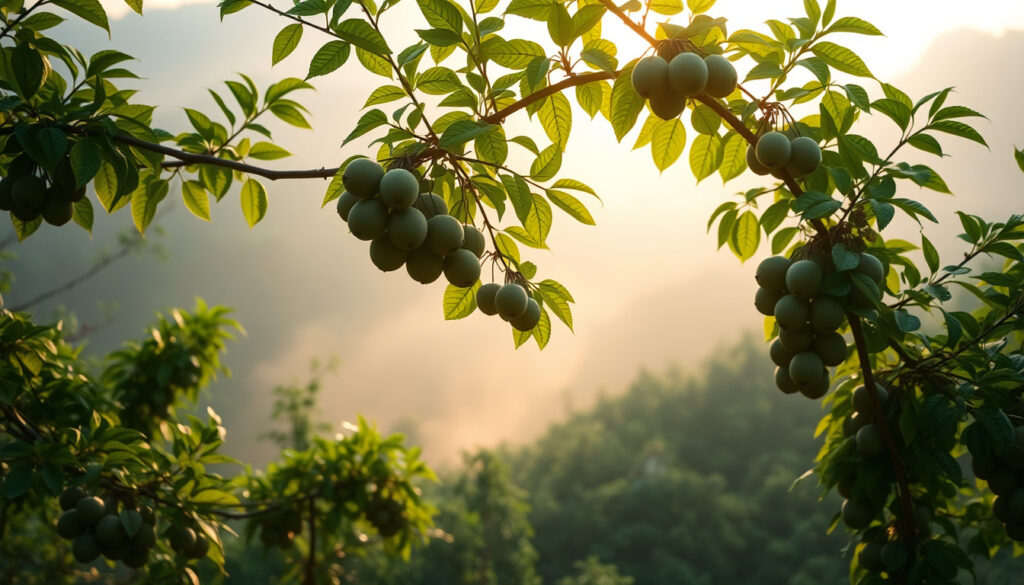
Monk fruit, scientifically named Siraitia grosvenorii, is a small round fruit roughly the size of a lime with a texture similar to a kiwi. The fruit grows on vines native to the mountainous regions of southern China, where it has been cultivated for medicinal purposes for centuries.
What makes this fruit remarkable is its sweetness mechanism. The intense sweetness does not come from natural sugars like fructose or glucose—although the fruit does contain these in small amounts—but from compounds called mogrosides. These glycoside molecules register as extraordinarily sweet by the taste receptors on the tongue, yet the human body does not metabolize them as carbohydrates or sugars.
Mogroside V is the dominant sweetening compound in the fruit, providing approximately 250 times the sweetness of sucrose. Commercial monk fruit extract is typically calibrated to be 100 to 300 times sweeter than regular sugar, meaning only minute quantities are needed to achieve desired sweetness levels in food and beverages.
Quick Overview
Key Facts About Monk Fruit
- Sweetening power comes from mogrosides, not natural fruit sugars
- Mogroside V is the primary sweetening compound, roughly 250 times sweeter than sucrose
- FDA GRAS designation means it is approved as a food additive in the United States
- Does not trigger an insulin response, making it suitable for people with diabetes
- Most commercial products blend monk fruit extract with erythritol to reduce bitterness
- No known side effects have been reported for monk fruit sweetener itself
- Human clinical studies remain limited despite decades of use
Snapshot: Monk Fruit at a Glance
| Attribute | Details |
|---|---|
| Scientific name | Siraitia grosvenorii |
| Common names | Monk fruit, luo han guo, arhat fruit |
| Primary sweetening compound | Mogroside V (a mogroside glycoside) |
| Sweetness level | 100–300 times sweeter than sucrose |
| Caloric content | Zero calories |
| Glycemic index | Zero—does not raise blood sugar |
| FDA status | Generally recognized as safe (GRAS) |
| Origin | Southern China |
Where Does Monk Fruit Come From?
Monk fruit traces its roots to the subtropical forests of southern China, particularly in the Guangxi and Guizhou provinces. The fruit has been a fixture in traditional Chinese medicine since at least the 13th century, where practitioners used dried fruit preparations to treat conditions such as sore throat, constipation, and persistent coughing.
The Chinese name luo han guo translates roughly to “monk fruit,” referencing the monks who are traditionally believed to have first cultivated the plant. In its region of origin, the fruit grows wild on climbing vines in high-altitude environments, making domestic cultivation a specialized endeavor.
Historical accounts describe the fruit as a valued medicinal ingredient across multiple dynasties. Its transition from a traditional remedy to a global food ingredient began in earnest when Western researchers took notice in the early 20th century. By the 1930s, scientists had isolated the mogroside compounds responsible for the fruit’s remarkable sweetness.
Traditional Uses in Asia
For generations, people in Asia consumed monk fruit not as a sweetener but as a health tonic. Practitioners brewed dried monk fruit into teas and soups, believing the fruit supported respiratory health and digestive function. The fruit’s natural cooling properties made it particularly popular during hot summer months.
This traditional knowledge preceded modern scientific investigation by centuries. While contemporary research has begun examining the fruit’s potential properties, much of what was understood about monk fruit in historical contexts remains part of folk medicine rather than evidence-based practice.
Is Monk Fruit Healthy? Key Benefits
The health profile of monk fruit sweetener centers on a single compelling fact: it delivers sweetness without calories and without raising blood sugar levels. This dual characteristic makes it distinctive among sweeteners, both natural and artificial.
Research into mogrosides has produced encouraging findings in laboratory settings. Studies conducted on animal models and in vitro preparations suggest these compounds may possess antioxidant and anti-inflammatory properties. The research indicates mogrosides can inhibit harmful molecules and help protect against DNA damage, though these effects have primarily been observed in non-human subjects.
Blood Sugar and Diabetes Management
One of the most frequently cited advantages of monk fruit sweetener relates to blood sugar regulation. Because the human body does not recognize mogrosides as carbohydrates, they pass through the digestive system without triggering an insulin response. This means blood sugar levels remain stable after consumption.
For individuals managing diabetes or following low-carbohydrate eating patterns, this property makes monk fruit a practical alternative to sugar. Animal studies on mogroside V demonstrated improved fasting glucose levels and reduced insulin resistance in type 2 diabetes models, though translating these results to human outcomes requires further investigation.
Promising results from animal and cell studies have not yet been confirmed through large-scale human clinical trials. Experts emphasize the need for rigorous human-based research before definitive health claims can be made about monk fruit sweetener.
Other Potential Benefits
Beyond blood sugar management, several areas of potential benefit have attracted researcher attention. Preliminary studies suggest mogrosides may support gut health by promoting the growth of beneficial bacteria, with mogroside V showing possible prebiotic properties in early investigations.
Weight management represents another area where monk fruit sweetener offers clear utility. Since it provides no calories and does not affect blood sugar, it can replace regular sugar in foods and beverages without contributing to caloric intake. Dental health also benefits, as the sweetener contains no actual sugar that could contribute to tooth decay.
Some laboratory research has explored whether mogrosides may inhibit cancer cell growth, with studies showing suppression of lung cancer cell proliferation and effects on skin carcinogenesis models. However, researchers consistently note that human-based studies are necessary before any conclusions about anticancer effects can be drawn.
Is Monk Fruit Keto-Friendly and Natural?
The ketogenic diet relies on minimizing carbohydrate intake to maintain a metabolic state called ketosis. With zero calories and zero carbohydrates, monk fruit sweetener fits naturally within this eating framework. Unlike sugar, which causes blood sugar spikes, or even some alternative sweeteners that contain trace carbohydrates, monk fruit registers no impact on daily net carb counts.
Being natural is a question many consumers ask about monk fruit. By any reasonable measure, the answer is yes. Monk fruit sweetener is derived directly from the fruit through extraction processes, without the synthetic chemical pathways involved in producing some artificial sweeteners. The fruit itself is a whole food that humans have consumed for centuries.
Monk Fruit vs. Other Sweeteners
Comparisons with other sweeteners reveal both strengths and limitations. Stevia, another plant-based sweetener, shares monk fruit’s zero-calorie profile but differs in flavor. Some people find that monk fruit has a cleaner taste without the slight bitterness sometimes associated with stevia products.
Unlike certain artificial sweeteners that have raised concerns about potential effects on metabolism and the endocrine system, monk fruit has not demonstrated these adverse outcomes in available research. However, it is worth noting that monk fruit extract alone can produce noticeable bitter, metallic, or chemical aftertastes. This is why most commercial products combine monk fruit extract with erythritol—a sugar alcohol that rounds out the flavor profile.
When selecting a monk fruit sweetener, check the ingredient label. Products containing only monk fruit extract may have a more pronounced aftertaste, while those blended with erythritol or other ingredients often taste closer to sugar. Pure monk fruit extract typically requires only a small amount due to its extreme sweetness.
How Is Monk Fruit Used as a Sweetener?
The path from fruit to sweetener involves extraction and concentration. Manufacturers process the flesh and juice of monk fruit to isolate the mogroside compounds, creating a concentrated extract that can be dried into powder or blended into liquid formulations. The extract itself is extraordinarily potent, which is why commercial products typically dilute it for practical use.
In the kitchen, monk fruit sweetener adapts to most applications where regular sugar appears. Home bakers use it in cookies, cakes, and breads, though adjustments may be needed since sugar contributes more than sweetness to many recipes—it provides bulk, moisture retention, and browning properties. Experienced cooks often blend monk fruit sweetener with other ingredients to replicate sugar’s structural effects.
For beverages, a small pinch of monk fruit powder suffices to sweeten a cup of coffee or tea. The sweetener dissolves readily in hot liquids and maintains stability at high temperatures, making it suitable for cooking applications. Its compatibility with baking has driven much of its popularity, as consumers seek sugar reduction in desserts without turning to artificial options.
Safety and Recommended Use
The FDA’s GRAS designation means monk fruit sweetener has passed regulatory review for safety in food applications. Small human studies involving consumption of up to 200 milligrams of monk fruit extract per kilogram of body weight per day reported no adverse effects. Animal studies using substantially higher quantities—between 2,500 and 7,000 milligrams—also showed no harmful outcomes.
Despite this favorable safety profile, moderation remains the recommendation from health professionals. The GRAS designation applies to intended use levels and does not imply that unlimited consumption is without consequence. Anyone with specific health concerns should consult a healthcare provider before making significant dietary changes involving monk fruit sweetener.
Pure monk fruit sweetener has no known side effects. However, some commercial formulations blend it with other ingredients, most commonly erythritol, which may cause mild bloating or digestive discomfort in sensitive individuals. Allergic reactions are rare but possible with any food ingredient.
Understanding What Science Has Established—And What It Has Not
The body of research around monk fruit presents a mixed picture that deserves careful communication. On one side stands solid evidence: the fruit produces intense sweetness through mogrosides, these compounds do not raise blood sugar, and the FDA has approved the sweetener for general use. These facts are well established.
| What We Know For Certain | What Remains Unclear |
|---|---|
| Monk fruit sweetener contains zero calories and does not affect blood sugar levels | Long-term effects of high-dose consumption in humans have not been studied |
| The FDA has granted GRAS status, approving it as a food additive | Whether antioxidant and anti-inflammatory effects observed in animals translate to humans |
| No side effects have been reported in human trials at tested doses | The extent of prebiotic benefits for gut microbiome health |
| Commercial products typically blend monk fruit extract with erythritol | Whether potential anticancer findings in mice have any relevance to human health |
| Monk fruit is naturally derived from a whole food with centuries of use | Optimal daily intake thresholds for specific health outcomes |
| The sweetener is suitable for ketogenic and diabetic dietary approaches | How different processing methods may affect the final product’s properties |
Monk Fruit in Context: Market and Cultural Significance
Monk fruit occupies a unique position in the expanding market for natural sweeteners. While stevia dominated the natural sweetener category for years, monk fruit has carved out its own niche, appealing to consumers who prefer its taste profile and those specifically seeking an alternative with no aftertaste issues.
The fruit’s journey from traditional Chinese medicine to Western kitchen shelves reflects broader shifts in how consumers approach food ingredients. Demand for clean-label products—items with recognizable, minimally processed ingredients—has propelled interest in monk fruit. Unlike some sweeteners developed through industrial chemistry, monk fruit sweetener comes from a single plant source that consumers can easily identify.
Production remains concentrated in southern China, where climate and altitude conditions produce the most flavorful fruit. This geographic limitation means monk fruit sweetener typically costs more than sugar or stevia, a factor that influences its market positioning. Industry observers note that the fruit’s relative scarcity compared to stevia—which grows readily in many regions—may constrain supply as global demand increases.
Sources and Research Backing
The scientific foundation for information about monk fruit sweetener draws from multiple disciplines, including food chemistry, nutritional biochemistry, and clinical nutrition research.
“Monk fruit-derived sweeteners represent one of the most significant advances in non-nutritive sweetener development, combining natural origin with a favorable safety profile and functional properties that meet consumer demand for clean-label ingredients.”
— PubMed research literature, PMC10495570
Regulatory acknowledgment from the Food and Drug Administration provides the primary governmental endorsement of monk fruit sweetener’s safety. The GRAS notification process requires manufacturers to demonstrate reasonable certainty that a substance is safe under intended conditions of use.
Peer-reviewed research published in journals including the Journal of Food Science and Technology and the Food and Nutrition Journal has examined mogroside biochemistry, physiological effects in animal models, and gut microbiome interactions. Studies available through PubMed provide ongoing documentation of laboratory findings that inform understanding of potential benefits and limitations.
The Bottom Line on Monk Fruit
Monk fruit sweetener stands out in the crowded field of sugar alternatives for combining natural origin, zero caloric content, and a favorable safety profile. Its basis in a whole food with centuries of traditional use provides a different narrative than synthetic sweeteners, though the actual physiological effects appear comparable in key areas like blood sugar neutrality.
The most honest assessment acknowledges both promise and limitation. Laboratory research points to potentially valuable properties worth investigating, while human clinical evidence remains sparse. For practical purposes, monk fruit sweetener offers a safe, effective way to reduce sugar and calorie intake without sacrificing sweetness—benefits that do not require clinical confirmation to be meaningful for everyday dietary choices.
Those interested in exploring monk fruit sweetener in their own cooking might consider trying it in place of sugar in a simple recipe like How to Make Sourdough Bread – Step-by-Step Beginner Guide, adjusting quantities to account for its concentrated sweetness.
Frequently Asked Questions
Is monk fruit the same as monk fruit extract?
Monk fruit extract refers specifically to the concentrated form of the sweetening compounds extracted from the fruit. All monk fruit sweeteners are derived from this extract, though some products are then blended with other ingredients like erythritol for easier use.
Can people with diabetes safely use monk fruit sweetener?
Yes. Since mogrosides are not recognized as sugars by the human body, monk fruit sweetener does not raise blood sugar levels and does not trigger insulin response. It is widely considered suitable for people managing diabetes.
Does monk fruit sweetener cause digestive issues?
Pure monk fruit extract has no known digestive side effects. Some commercial formulations combine it with erythritol, which may cause mild bloating or gas in sensitive individuals, particularly when consumed in large amounts.
How much monk fruit sweetener should I use instead of sugar?
Because monk fruit is 100 to 300 times sweeter than sugar, you need only a small fraction of the amount. Most products provide conversion guidelines on packaging. A general starting point is approximately one-eighth to one-quarter of the sugar amount specified in a recipe.
Is monk fruit safe during pregnancy?
The FDA GRAS designation covers general population use, but pregnant individuals should consult their healthcare provider before making dietary changes. No specific studies have addressed monk fruit consumption during pregnancy.
Does monk fruit have any known drug interactions?
No documented drug interactions with monk fruit sweetener exist in the available medical literature. However, individuals on specific medications should consult their healthcare provider regarding any new dietary ingredients.
Can children consume monk fruit sweetener?
The GRAS designation applies to the general population, including children. As with any dietary change for children, consulting a pediatrician is advisable, particularly for young infants or those with specific health concerns.
How does monk fruit compare to erythritol in sweetener blends?
Erythritol is a sugar alcohol used to dilute monk fruit extract and reduce its intense bitterness. Erythritol itself has a mild sweet taste and contains about 0.2 calories per gram with minimal impact on blood sugar. Most commercial monk fruit sweeteners contain both ingredients.
Where can I buy monk fruit sweetener?
Monk fruit sweeteners are widely available in grocery stores, health food retailers, and online marketplaces. Look in the baking aisle near other sweeteners or in the health food section. Products may be labeled as monk fruit sweetener, luo han guo extract, or simply monk fruit.
Does monk fruit expire or lose sweetness over time?
Properly stored monk fruit sweetener maintains its sweetness for extended periods. The powdered form typically remains stable for one to two years when kept in a cool, dry place away from direct sunlight. Always check packaging for specific expiration guidance.
More related posts
 Wordle Unlimited New York Times – Official Status and Alternatives
 2017 Jeep Grand Cherokee: Worth Buying? Problems & Reliability
 How to Connect Xbox Controller to PC: USB, Bluetooth & Fixes
 Michigan Secretary of State: Appointments, Hours & More
 Selena Gomez and Benny Blanco: Relationship Timeline & Wedding
 M&T Bank: What It Stands For, Is It a Big Bank, and More
 Flights to Los Angeles: Cheapest Month, Day & Direct Options
 Chair Yoga for Seniors – Gentle Poses for Strength Flexibility
